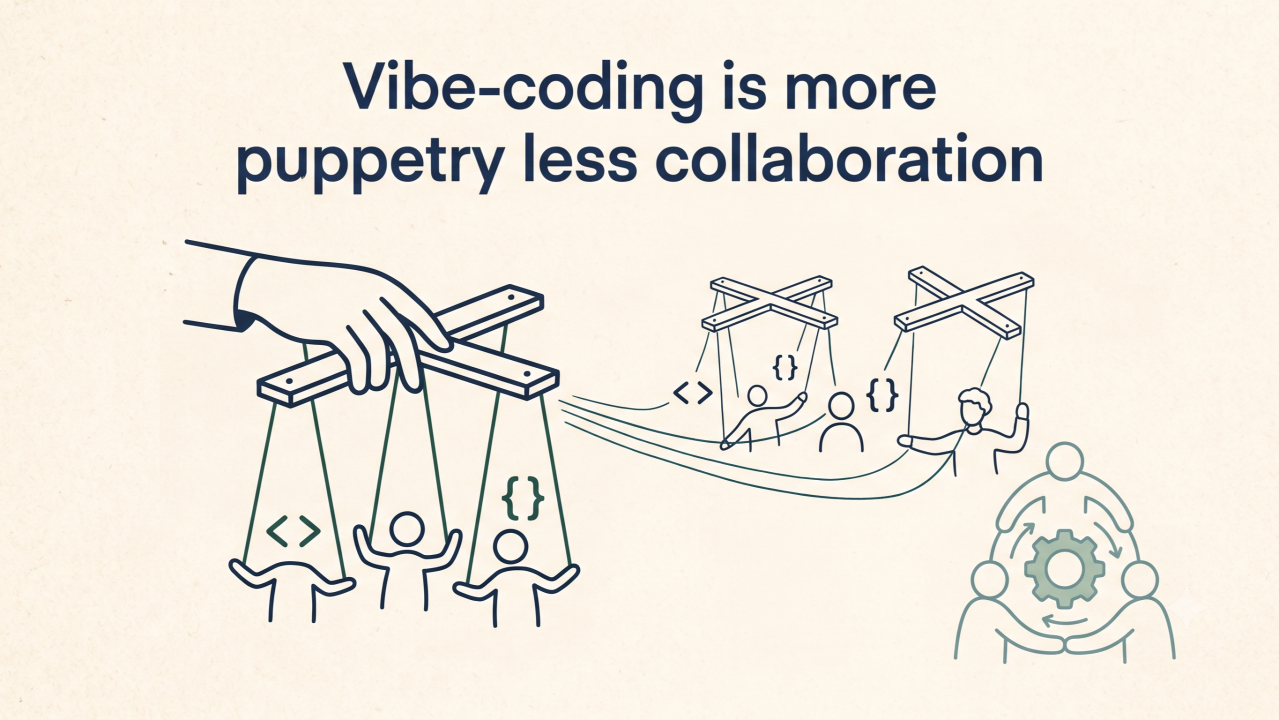
Vibe-coding: puppetry or collaboration?
Vibe-coding flips the traditional software development cycle. Intent becomes the asset, code becomes disposable. But this shift needs a framework to govern it.
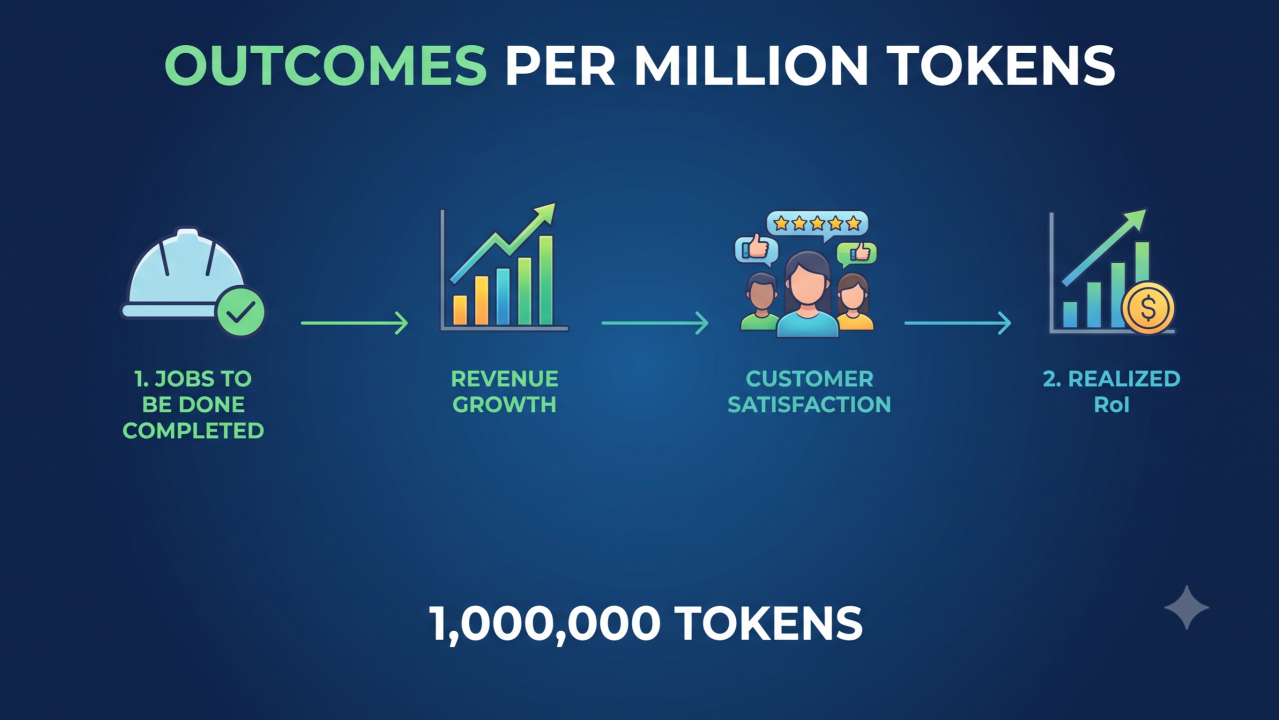
Outcomes per Million Tokens
AI vendors should be evaluated on measurable business outcomes, not feature lists. A framework for shifting the evaluation burden from buyers to vendors.

Capital Calls: The Same Wire, Two Lenses
A capital call is one economic event with two entirely different operational problems. Here's where the math breaks down on both sides, and where AI agents help.
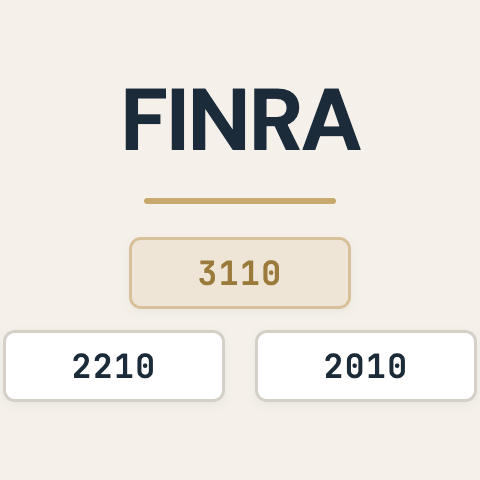
FINRA Reflects on AI and Its Applications
FINRA mapped 14 AI use cases to specific rules and guidance. Here's what each one means for compliance, and three things builders need to know.

Build vs. Buy: The AI Dilemma in Financial Services
Firms are racing to build AI tools internally. Here's why three common approaches backfire, and what separates the ones quietly getting real results.
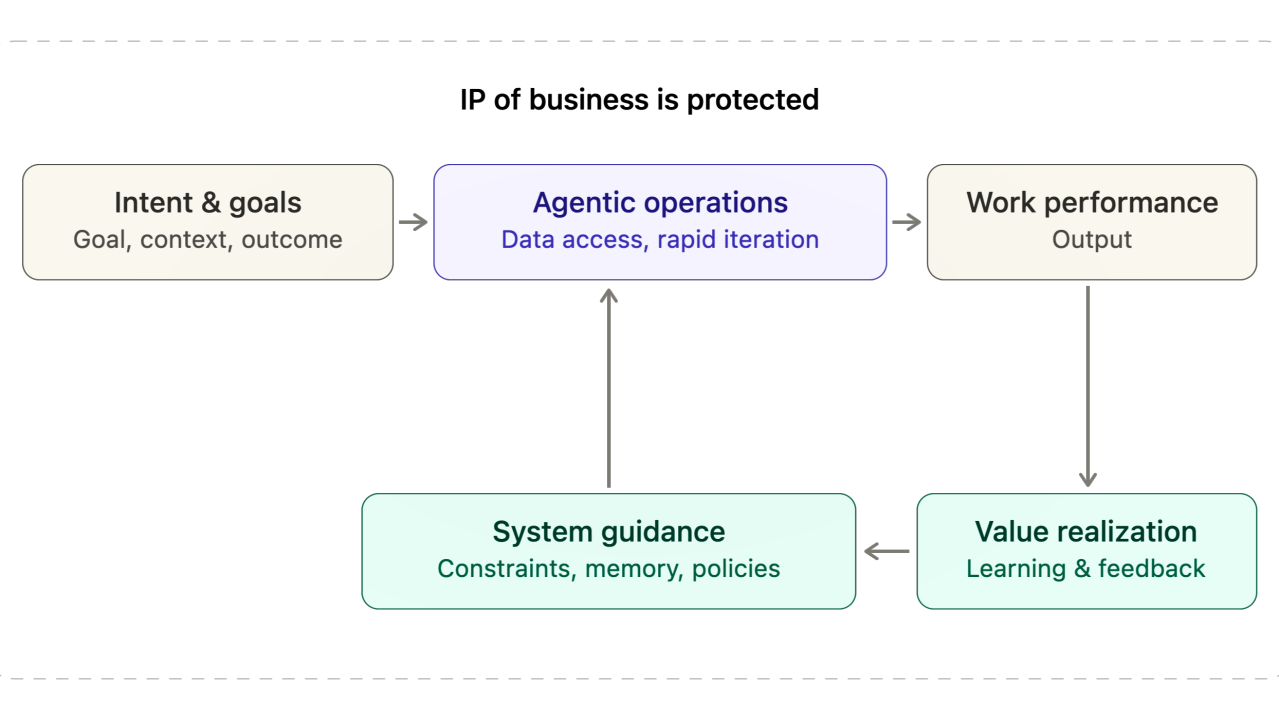
Defining the System of Work
AI agents represent a shift from Systems of Record to Systems of Work, operating through intent, goals, and guardrails rather than rigid workflows.
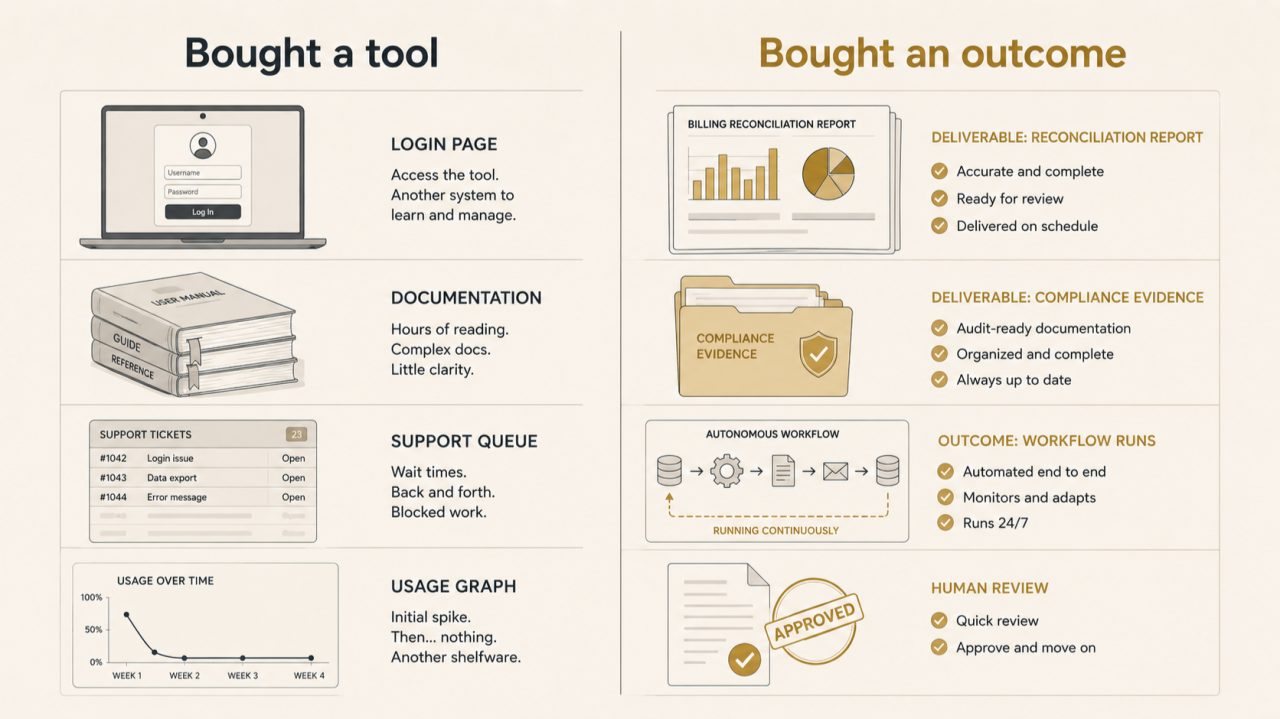
Stop buying AI tools. Start buying AI outcomes.
Financial services firms keep buying AI platforms they never fully configure. The alternative: buy outcomes, not tools. What that means and how to tell the difference.
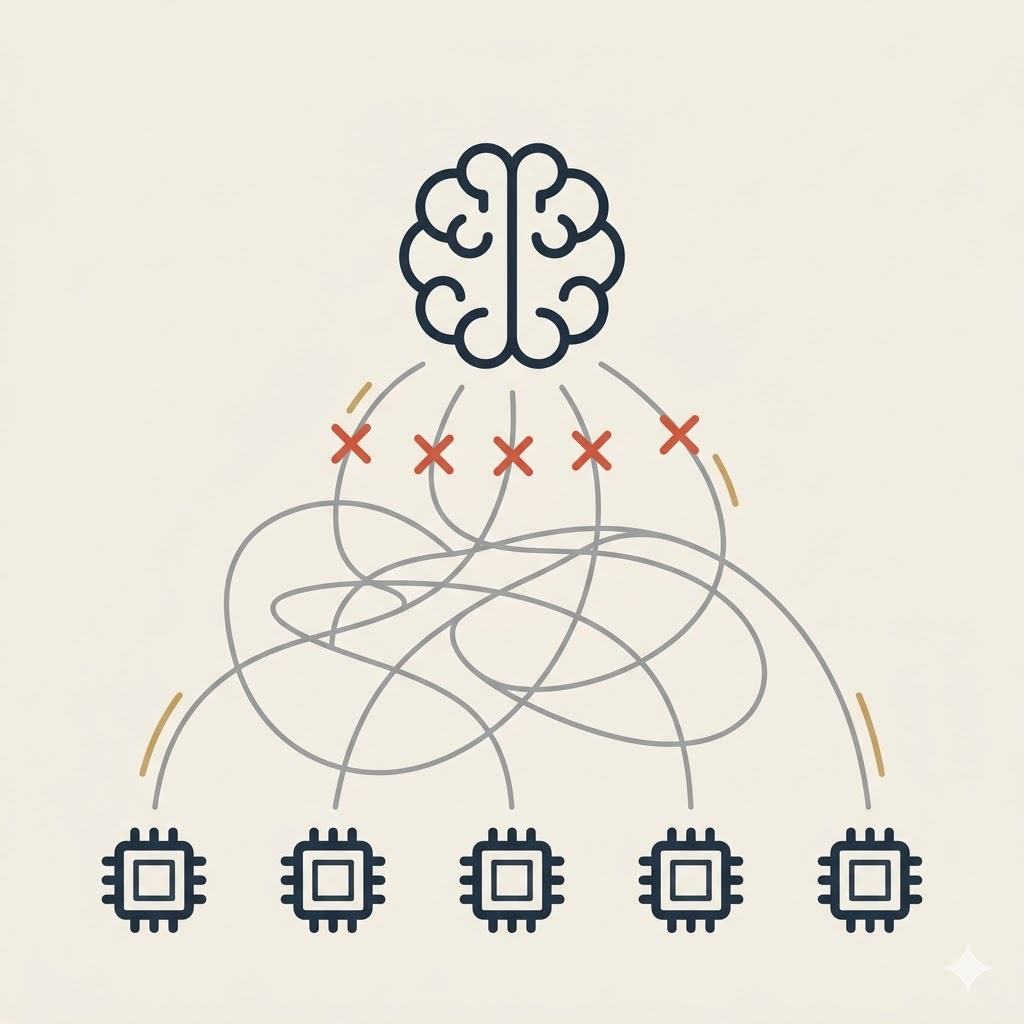
AI Was Supposed to Be the Growth Lever. Why Isn't It Pulling Like Promised?
Every wealth management firm has adopted AI tools, but they sit in silos. Here's why connecting everything to one model fails, and what actually works.
The Grunt Work Problem Nobody Can Name
Wealth managers perform substantial administrative work but struggle to articulate what consumes their time. Findings from conversations with 200+ advisors.

Capacity, Not Replacement
AI isn't most powerful when it replaces what people do. It's most powerful when it lets people do things they couldn't do before.

Vibe Coding for RIAs: The 80/20 Reality
Vibe coding gets advisors 80% there. The remaining 20% of testing, compliance, and deployment requires the engineering discipline financial services demands.

AI on Rails: Part III
Agentic systems should use familiar human organizational metaphors for coordination, not as compromise, but as a strategic requirement for oversight and trust.

AI on Rails: Part II
Six essential infrastructure primitives for building reliable multi-agent systems in regulated environments like financial services.

AI on Rails: Part I
Agentic AI development suffers from fragmentation. Teams rebuild identical infrastructure from scratch. A Rails-style framework could change that.